Top 10 Mistakes in Fire Fighting Pump Rooms
Introduction
Fire safety systems are only as reliable as their weakest component—and in many buildings, that weak point is the firefighting pump room. This critical area ensures adequate water pressure and flow during emergencies. If it fails, the entire fire protection system can collapse when it’s needed most.
In this article, we will explore the Top 10 Mistakes in Fire Fighting Pump Rooms (And How to Avoid Them) so you can ensure maximum safety, compliance, and reliability.
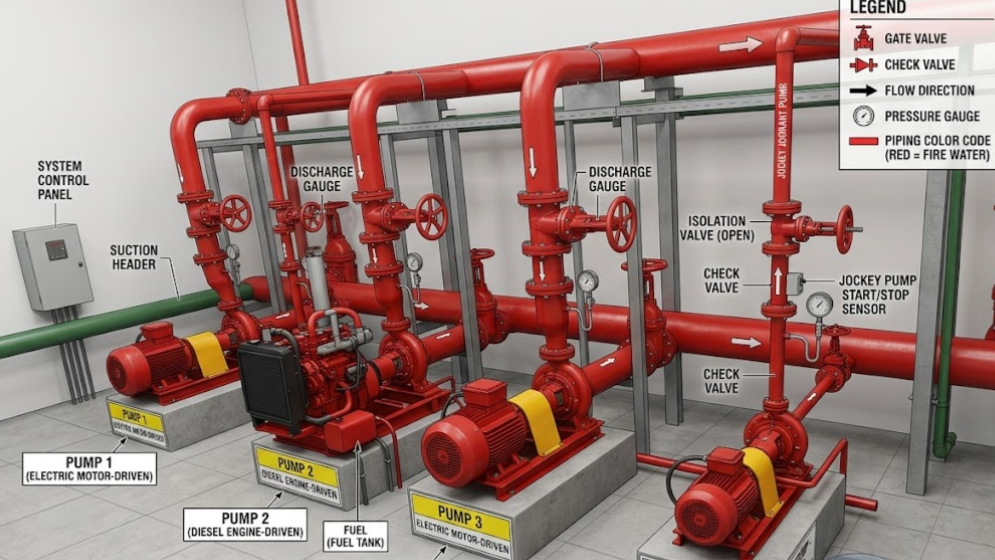
1. Poor Pump Room Location
One of the most common mistakes is placing the pump room in a flood-prone basement or a location that is difficult to access. During heavy rain or water leakage, the pump room may get submerged, making the system useless.
How to Avoid:
- Install pump rooms in safe, elevated locations.
- Ensure easy access for firefighters and maintenance staff.
- Follow fire safety codes and building regulations.
2. Incorrect Pump Selection
Using the wrong type or capacity of pump can lead to insufficient pressure or energy wastage. Undersized pumps fail during emergencies, while oversized pumps increase wear and tear.
How to Avoid:
- Perform proper hydraulic calculations.
- Select pumps based on system demand (flow & head)
- Consult fire protection engineers.
3. Lack of Proper Ventilation
Fire pumps, especially diesel engines, generate significant heat. Without proper ventilation, the pump room can overheat, leading to equipment failure and reduced efficiency.
How to Avoid:
- Provide adequate air circulation.
- Install exhaust fans or louvers.
- Maintain proper temperature levels.
4. Improper Piping Layout
Poor piping design—such as too many bends, long routes, or misalignment—causes pressure losses, vibration, and noise.
How to Avoid:
- Keep the piping layout simple and straight.
- Use proper supports and alignment techniques.
- Minimize friction losses
5. No Regular Maintenance
Neglecting maintenance is a major mistake. Over time, components such as seals, bearings, and motors can fail, rendering the pump unreliable.
How to Avoid:
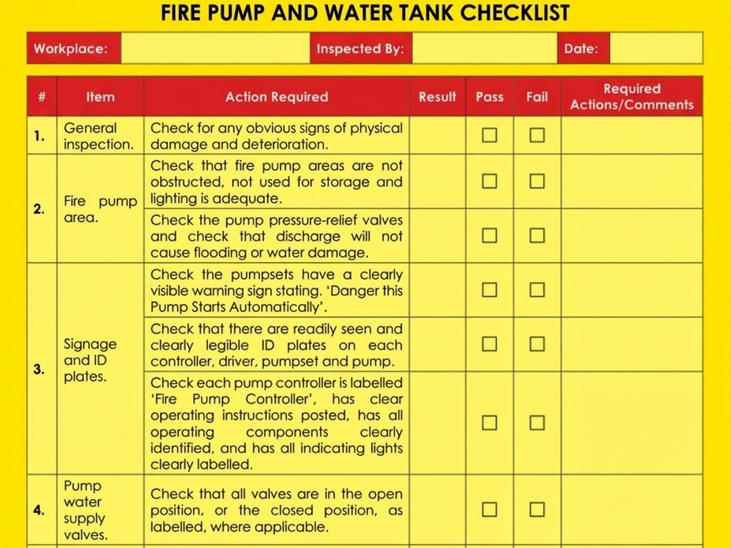
- Create a preventive maintenance schedule.
- Conduct weekly and monthly inspections.
- Maintain proper records and logs.
6. Faulty Electrical Connections
Loose wiring, lack of earthing, and poor panel design can lead to electrical failures or even fire hazards within the pump room.
How to Avoid:
- Ensure proper electrical installation.
- Regularly inspect panels and connections.
- Use certified electricians
7. Absence of Automatic Operation
A manual-only system delays pump startup during emergencies, wasting critical time.
How to Avoid:
- Install automatic start systems.
- Use pressure switches and controllers.
- Ensure the system responds instantly during a pressure drop.
8. Poor Drainage System
Water leakage or testing can flood the pump room if drainage is not properly designed. This can damage both mechanical and electrical equipment.
How to Avoid:
- Provide proper floor slope.
- Install drainage pits and sump pumps.
- Regularly clean drainage lines
9. Ignoring Fire Safety Standards
How to Avoid:
- Follow relevant fire safety standards (NFPA, IS codes, etc.)
- Conduct regular audits and inspections.
- Stay updated with code revisions.
10. Lack of Backup Systems
A fire pump system without backup is a high-risk setup. Power failures or pump breakdowns can stop the entire system.
How to Avoid:
- Install multiple pumps:
- Jockey pump (pressure maintenance)
- Main pump (fire condition)
- Diesel pump (power backup)
12. Conclusion
Understanding the Top 10 Mistakes in Fire Fighting Pump Rooms (And How to Avoid Them) is essential for engineers, facility managers, and building owners. A small mistake in design, installation, or maintenance can lead to catastrophic failure during a fire emergency.
Final Thought:
A well-designed and properly maintained firefighting pump room is not just a compliance requirement—it is a lifesaving system that protects people, property, and business continuity.
Amazing Information
tqq